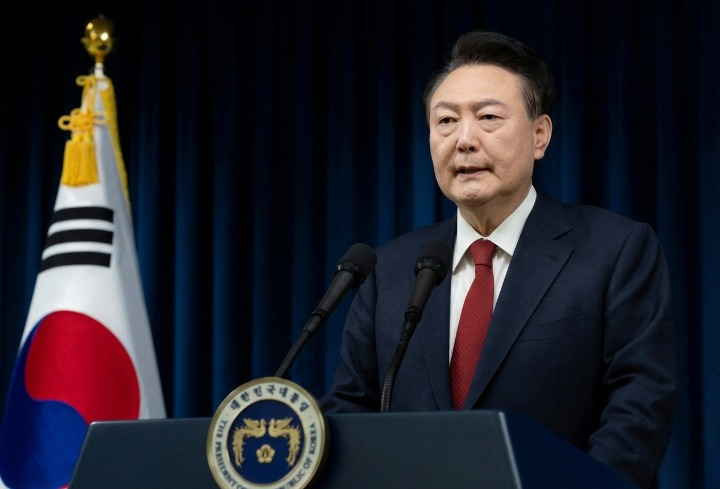
Seoul: South Korea’s former president Yoon Suk Yeol has been sentenced to five years in prison in a landmark court ruling connected to his controversial decision to declare martial law in December 2024. The verdict, delivered by a Seoul court, marks the first conviction in a series of criminal cases filed against the former leader.
The ruling has drawn global attention, as it underlines the strict limits placed on executive power in one of Asia’s strongest democracies.
What the Court Said
The court found Yoon guilty of abusing presidential authority and violating constitutional procedures while attempting to impose martial law without meeting the legal requirements for a national emergency.
According to prosecutors, Yoon also:
- Obstructed investigators by using his presidential security team
- Tampered with or destroyed official documents
- Misused emergency powers for political purposes
The judges stated that martial law can only be invoked during extreme national crises and that Yoon’s actions failed to meet that threshold.
Background: What Happened in 2024?
In December 2024, Yoon unexpectedly announced martial law, citing political instability. However, the move triggered immediate backlash across the country.
- South Korea’s National Assembly rejected the order within hours
- Massive public criticism followed
- Lawmakers initiated impeachment proceedings
In April 2025, Yoon was officially removed from office by the Constitutional Court, becoming one of the few South Korean presidents to face impeachment and criminal prosecution.
Arrest and Legal Trouble
After losing presidential immunity, Yoon was arrested following a tense standoff at his Seoul residence. Investigators accused him of actively preventing lawful arrest attempts during the probe.
The five-year jail term is linked specifically to charges involving obstruction of justice and procedural violations. More serious cases, including allegations related to rebellion, are still under trial.
Political Impact in South Korea
This verdict is being seen as a defining moment for South Korea’s democracy. Political analysts say the ruling sends a clear message that no one is above the law, even former presidents.
The case has:
- Deepened political divisions
- Sparked protests by Yoon’s supporters
- Reinforced judicial independence in South Korea
Opposition parties welcomed the verdict, calling it a victory for constitutional order, while Yoon’s legal team described the ruling as politically motivated.
Can Yoon Appeal?
Yes. Yoon Suk Yeol has the legal right to appeal the sentence, and his lawyers have indicated they will challenge the verdict in higher courts.
Legal experts believe the appeals process could take months or even years, during which further rulings in other related cases may emerge.
Why This Case Matters Globally
The sentencing of a former South Korean president is not just a domestic issue. It highlights:
- The limits of emergency powers
- The strength of democratic institutions
- Accountability of elected leaders
International observers are closely watching the outcome of Yoon’s remaining trials, as they could further shape South Korea’s political future.
Final Analysis
The five-year jail term given to ex-President Yoon Suk Yeol sets a powerful precedent. It reinforces that constitutional boundaries cannot be crossed, even under the guise of national security.
As South Korea moves forward, the case is likely to be remembered as a turning point that strengthened democratic checks and balances in the country.
About the Author