Image source : AFP Footage
March 5, 2026: The Middle East is witnessing intensified military action as Israel–Iran tensions explode, with fresh strikes reported across multiple fronts in an escalating conflict that has drawn in regional and global powers. The confrontation, now entering its sixth day, has prompted high alerts in capitals, disrupted air travel, rattled energy markets and raised fears of broader instability.
Fresh Strikes & Regional Confrontation
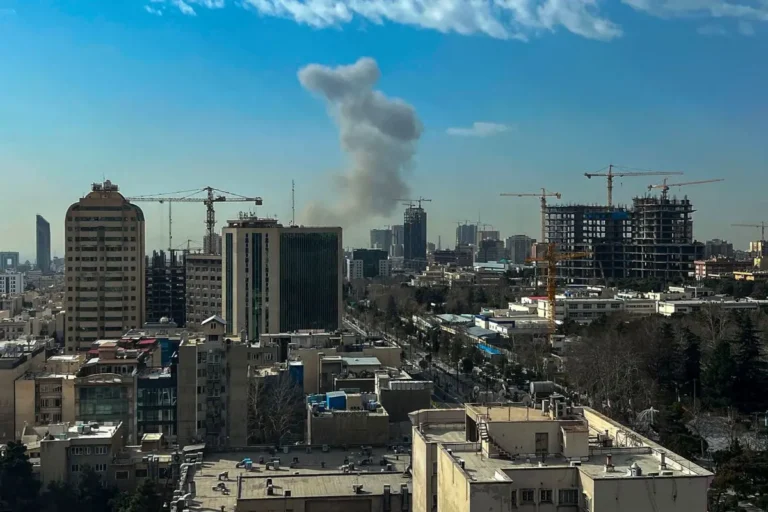
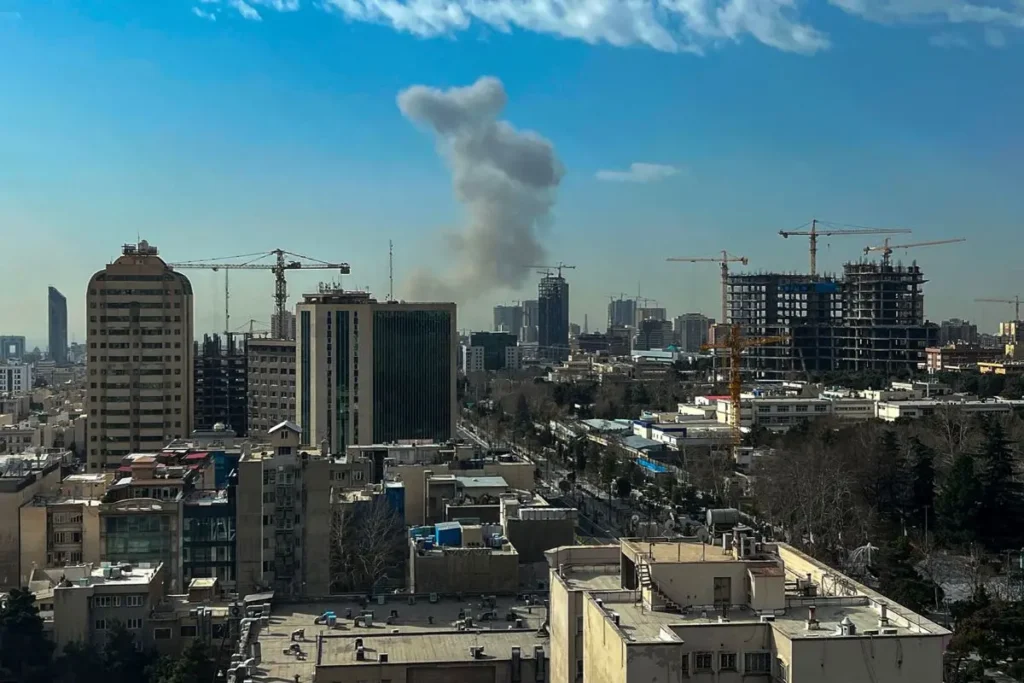
As of Thursday, Iran launched missiles at Israel, marking a continuation of hostilities following coordinated military operations by Israel and allied forces. Reports indicate missiles were intercepted near Israeli coastal areas, including around Netanya, as regional airspace remained on edge. Simultaneously, Israel launched new strikes targeting Hezbollah positions in Lebanon and other Iranian-backed groups, expanding the geographical scope of the conflict. Military officials have described the situation as highly volatile, with both sides intensifying their operations while civilian centers and infrastructure remain in harm’s way.
Background: How It Escalated
The current escalation traces back to February 28, 2026, when Israel initiated coordinated air and missile strikes against several Iranian military and strategic sites in Tehran and other regions. The Israeli government labelled the action as a pre-emptive measure against what it described as threats to national security.Following the initial operations, Iran responded with barrages of missiles and drones targeting military installations and allied bases across the region, including in Iraq, the Gulf and areas around Israel.The intensity of the exchange has made this one of the most serious direct military confrontations between the two countries in decades.
State of Emergency & Global Reactions
Israel declared a state of emergency nationwide, closing civilian airspace and restricting public movement as security forces remain on high alert. The United Nations and several global leaders have called for restraint and urgent diplomatic engagement, warning that continued escalation could trigger more widespread conflict. India’s Ministry of External Affairs has reiterated a call for dialogue and diplomacy, highlighting the serious risks the conflict poses to regional stability, international trade routes and the safety of Indian nationals in the Gulf region.
Impact on Travel & Civil Aviation
Heightened hostilities have had an immediate effect on civilian aviation. Major airlines, including Saudia, have extended flight suspensions across key international routes due to airspace closures and heightened safety concerns. Airspace over much of the Middle East remains restricted, causing widespread flight cancellations and reroutes that are affecting travellers globally.
Economic & Energy Market Reactions
The military escalation has rippled into global markets. Energy prices surged as tension around key transit points like the Strait of Hormuz tightened supply fears, while stock indices around the world showed increased volatility. Analysts warn that prolonged conflict could disrupt global energy shipments, putting further pressure on inflation and economic growth particularly for countries heavily reliant on Middle Eastern oil.
Civilian Toll & Humanitarian Concerns
Independent reports indicate significant civilian casualties resulting from strikes and missile exchanges. Human rights groups and United Nations investigations have raised alarm over attacks affecting residential areas, hospitals and schools in Iranian cities. The humanitarian crisis is deepening, with thousands of residents displaced and emergency services stretched thin in several urban centres affected by the conflict.
Wider Regional Involvement
Iran-aligned groups such as Hezbollah in Lebanon have been actively involved, firing rockets into northern Israel and prompting Israeli defensive and offensive responses. The involvement of proxy forces highlights how the conflict has expanded beyond direct Iran–Israel engagement, drawing in various militant and allied factions across the Levant.
Current Status (Day 6 Snapshot)
- Fresh missile launches reported — Iran → Israel
- Israeli strikes on Hezbollah and Iranian targets continue
- Nationwide emergency and airspace closures implemented
- Travel disruptions and flight suspensions widespread
- Energy markets and financial indices reacting to geopolitical risk
Calls for diplomacy and de-escalation from global capitals
Conclusion
The Israel–Iran tensions that have exploded into sustained conflict reflect one of the most intense military confrontations in the Middle East’s recent history. With escalating strikes, expanding fronts, and growing humanitarian impact, the situation remains highly dynamic. Governments and international bodies are advocating for urgent diplomatic initiatives to avoid further destabilisation. As this story continues to develop, verified and responsible journalism remains essential to inform readers worldwide.
About the Author