A Story That Gripped the Nation
In a development that has drawn widespread attention across India, the Sonam Wangchuk release after six months of detention under the National Security Act (NSA) has sparked relief, debate, and renewed focus on Ladakh. Sonam Wangchuk, known for his grassroots activism and educational reforms, walked free after nearly 170 days in custody.
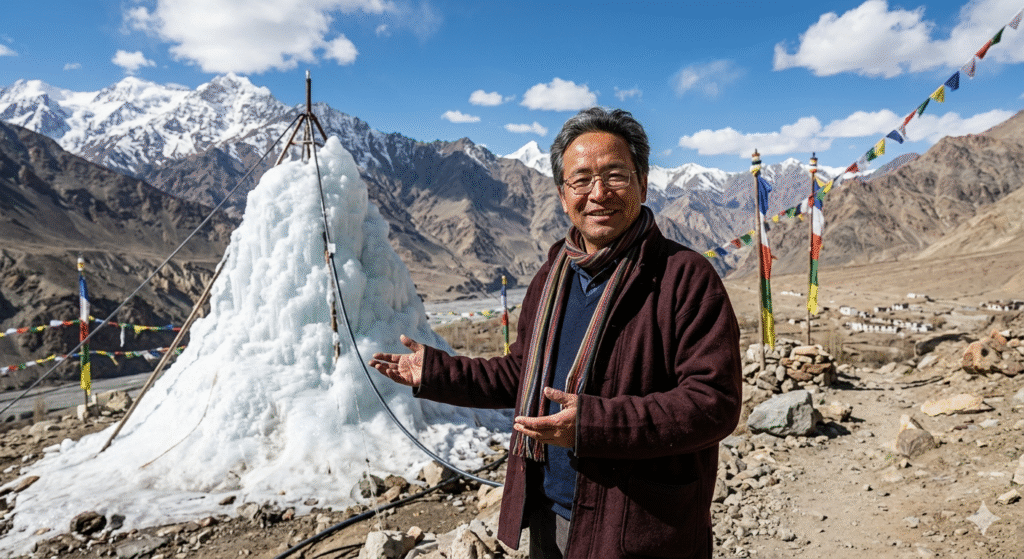
For many, this is more than just a release it is a moment that raises deeper questions about governance, dissent, and the voices emerging from India’s remote regions.
Who is Sonam Wangchuk?
To understand the significance of this moment, it is important to know who Sonam Wangchuk is. An engineer by training and an innovator by passion, Wangchuk has spent decades working in Ladakh’s harsh terrain to improve education and promote sustainable living. His work has directly impacted thousands of students in the region.
Over the years, he has also become a prominent public voice, speaking on issues like environmental conservation, local autonomy, and the unique challenges faced by Ladakh. His credibility largely stems from his on-ground work rather than political affiliations.
Why Was He Detained Under NSA?
The detention of Wangchuk under the NSA earlier this year came as a surprise to many observers. Authorities maintained that the move was necessary to prevent potential disruption to public order. However, critics and supporters saw it differently. They argued that his activism and increasing public engagement on Ladakh’s issues may have played a role in the decision.
While official details remained limited, the case quickly turned into a broader conversation about the use of preventive detention laws in democratic spaces.
Timeline of the 6-Month Detention
A Sudden Arrest
Wangchuk’s detention came at a time when discussions around Ladakh’s administrative and environmental concerns were gaining traction. His arrest caught many off guard.
Growing Support
In the weeks that followed, support for Wangchuk steadily grew. Local groups in Ladakh, along with activists and citizens across India, began raising their voices. Social media campaigns, peaceful demonstrations, and public statements kept the issue alive in national discourse.
National Spotlight
As the months passed, the case began receiving attention from mainstream media. Discussions extended beyond Ladakh, touching on broader themes of civil liberties and governance.
Calls for Review
Repeated appeals were made for a review of his detention. Supporters emphasized his non-violent approach and long-standing contributions to society.
Details of Sonam Wangchuk Release
The Sonam Wangchuk release finally came after nearly six months, following a review by the authorities. While the official communication remained brief, it indicated that the detention order had been revoked. There was no dramatic announcement, just a quiet administrative decision that carried significant weight.
The Sonam Wangchuk release is being seen as a step that could help ease tensions and open space for dialogue.
Reactions & Public Response
Relief in Ladakh
In Ladakh, the reaction was immediate and emotional. Many residents expressed relief, seeing his return as a hopeful sign.
Voices Across India
Beyond the region, the development sparked mixed reactions. While many welcomed the decision, others raised questions about the circumstances that led to his detention in the first place.
Media and Public Debate
News platforms and public forums quickly picked up the story. The Sonam Wangchuk release has once again brought attention to the balance between security measures and democratic rights.
Impact on Ladakh & Future Implications
A Chance for Dialogue
Observers believe the Sonam Wangchuk release could create an opportunity for renewed engagement between authorities and local stakeholders.
Boost to Local Issues
His presence is likely to bring fresh momentum to ongoing discussions around environmental protection and regional development.
Larger Questions Remain
At the same time, the episode leaves behind important questions about the use of laws like the NSA and how dissenting voices are handled in sensitive regions.
Conclusion: Beyond One Release
The Sonam Wangchuk release marks the end of a difficult chapter, but it also signals the beginning of a new phase in Ladakh’s ongoing journey.For his supporters, it is a moment of relief. For policymakers, it may serve as a reminder of the need for balance between authority and dialogue.
As the region looks ahead, one thing is certain: Sonam Wangchuk’s voice, shaped by years of work on the ground, is back in the public space. And this time, it may carry even greater weight.
About the Author