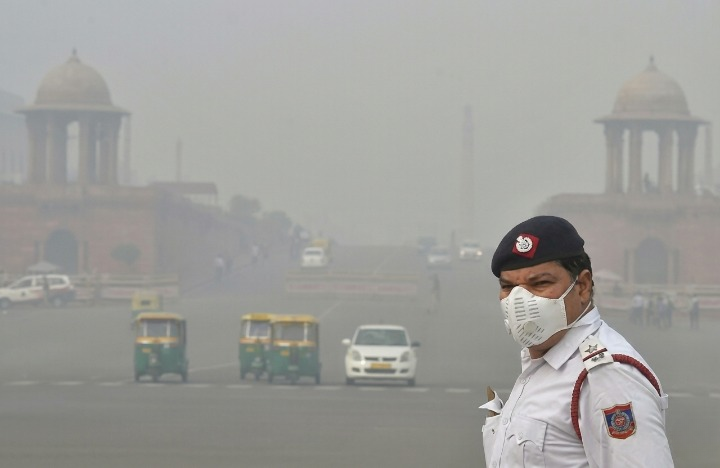
The Delhi air pollution crisis has once again become a major public concern, as residents across the National Capital Region struggle with hazardous air quality. Thick smog, reduced visibility, and rising health complaints have turned breathing into a daily challenge for millions. Despite recurring warnings and policy measures, pollution levels remain dangerously high. This situation raises urgent questions about why Delhi’s air continues to deteriorate and what it means for public health and daily life.
What Is the Delhi Air Pollution Crisis?
The Delhi air pollution crisis refers to the prolonged periods when air quality in the city reaches “poor,” “very poor,” or “severe” levels, according to official monitoring agencies. During these phases, the concentration of harmful pollutants such as PM2.5 and PM10 exceeds safe limits by multiple times. These microscopic particles can penetrate deep into the lungs, making the air unsafe to breathe, especially for children, elderly citizens, and people with existing health conditions.
Why Pollution Levels Remain High in Delhi
Several interconnected factors contribute to the ongoing Delhi air pollution crisis. Seasonal changes play a role, but human activity remains the primary driver.
Vehicle emissions continue to be one of the biggest sources of air pollution. With a rapidly growing number of private vehicles and congested roads, emissions from cars, buses, and trucks add significantly to toxic air levels.
Construction dust is another major contributor. Large infrastructure projects, road repairs, and real estate development release fine dust particles into the air, often without adequate dust-control measures.
In winter months, weather conditions worsen the situation. Low wind speeds and temperature inversion trap pollutants close to the ground, preventing them from dispersing and causing smog to linger over the city for days or even weeks.
Impact on Public Health and Daily Life
The most serious consequence of the Delhi air pollution crisis is its impact on health. Hospitals frequently report an increase in respiratory complaints during high-pollution periods. Many residents experience irritation in the eyes, throat discomfort, persistent cough, and breathing difficulties.
Beyond health concerns, daily life is also affected. Schools are occasionally closed as a precautionary measure, outdoor activities are restricted, and visibility on roads is reduced, increasing the risk of accidents. For people who work outdoors, exposure to polluted air becomes an unavoidable occupational hazard.
Children and Elderly: The Most Vulnerable
Medical experts and public health reports consistently highlight that children and older adults are among the most vulnerable groups. Children’s lungs are still developing, making them more susceptible to long-term damage caused by prolonged exposure to polluted air. Elderly individuals, especially those with pre-existing respiratory or heart conditions, face higher health risks during pollution spikes.
The rising concern among parents and caregivers reflects growing awareness about how the Delhi air pollution crisis can affect long-term well-being across generations.
Government Measures and Their Limitations
Over the years, various measures have been introduced to tackle air pollution in Delhi. These include vehicle restrictions during peak pollution days, promotion of public transport, closure of polluting industries during severe episodes, and campaigns encouraging citizens to reduce emissions.
While these steps have shown temporary improvements, critics argue that long-term structural changes are still lacking. Implementation challenges, uneven enforcement, and dependence on emergency measures rather than permanent solutions continue to limit the effectiveness of pollution control efforts.
Role of Citizens and Urban Lifestyle
Urban lifestyle patterns also play a role in worsening air quality. Increased dependence on personal vehicles, high energy consumption, and limited green spaces add pressure to the environment. Although awareness about pollution has grown, translating that awareness into consistent behavioral change remains a challenge.
Public discussions increasingly emphasize that addressing the Delhi air pollution crisis requires collective responsibility involving policymakers, industries, and citizens alike.
Why the Crisis Demands Urgent Attention
Air pollution is no longer a seasonal inconvenience but a year-round concern. Prolonged exposure to poor air quality can have lasting effects on public health, productivity, and quality of life. Economists and environmental experts warn that ignoring the problem could lead to higher healthcare costs and long-term damage to the city’s livability.
The situation highlights the need for sustainable urban planning, cleaner transport systems, and stricter environmental monitoring.
Conclusion
The Delhi air pollution crisis has transformed breathing into a daily risk for millions of residents. Persistent high pollution levels reflect deep-rooted challenges linked to urban growth, lifestyle habits, and environmental management. While awareness is rising, meaningful progress depends on consistent policy action and public participation. Addressing this crisis is not just about improving air quality today but about safeguarding the health and future of generations to come.
About the Author