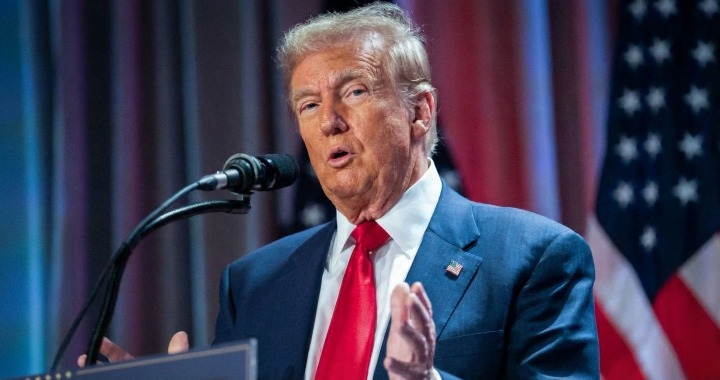
Former US President Donald Trump has reignited global trade concerns after announcing plans to impose new tariffs on European nations, sparking debate over whether a fresh US–Europe trade conflict is beginning. The move is being linked to ongoing tensions surrounding a strategic Greenland-related deal, an issue Trump has repeatedly highlighted as vital to American interests.
According to Trump’s statement, the proposed tariffs would initially start at 10 percent and could gradually rise to 25 percent if European nations fail to align with the United States on key economic and strategic matters. While Trump did not name specific countries, the warning appears aimed at major European economies involved in trade negotiations with Washington.
Greenland has emerged as a critical geopolitical region due to its strategic location and vast natural resources, making it a focal point for global powers. Trump has suggested that cooperation over Greenland-related strategies is essential for future economic and security stability, and tariffs could be used as leverage to influence Europe’s stance.
European officials have reacted cautiously, with concerns that higher US tariffs could hurt exports, raise costs for businesses, and strain long-standing transatlantic relationships. Trade experts warn that if Europe responds with countermeasures, the situation could escalate into a wider trade standoff, affecting global markets.
Economists also point out that renewed trade tensions between the US and Europe may increase uncertainty for investors and multinational companies operating across both regions. Global markets are closely monitoring developments, as even the threat of tariffs can disrupt supply chains and impact currency movements.
As discussions around Greenland and trade policy continue, the coming weeks will be crucial in determining whether diplomacy prevails or whether the world is headed toward another round of economic confrontation between major allies.
About the Author