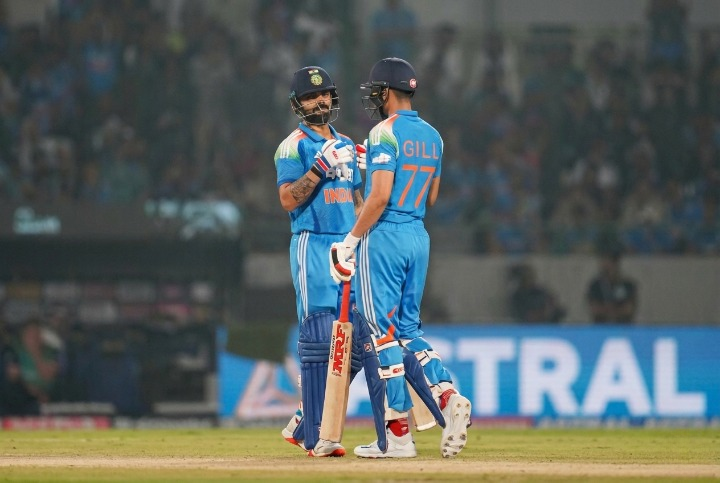
The India vs. New Zealand ODI Series 2026 turned out to be a highly competitive contest, showcasing intense cricket, smart captaincy decisions, and standout individual performances. With both teams preparing for major ICC tournaments ahead, the series provided crucial insights into team combinations, the form of key players, and strategic depth.
India’s narrow yet confident performances highlighted their growing bench strength, while New Zealand once again proved why they remain one of the most disciplined and tactically sound teams in world cricket.
Series Overview
The ODI series witnessed close encounters where momentum shifted frequently. India managed to stay calm under pressure, especially during chases, while New Zealand pushed hard with both bat and ball.
Key highlights of the series included
- Competitive totals on balanced pitches
- Strong middle-order contributions from India
- New Zealand’s disciplined bowling in powerplay overs
- Fielding standards remaining top-class on both sides
Match-by-Match Analysis
Key Turning Points
- India’s ability to build partnerships after early wickets played a decisive role.
- New Zealand’s bowling attack kept things tight, but missed opportunities in the death overs cost them momentum.
- Tactical bowling changes by the Indian captain proved effective against New Zealand’s middle order.
Batting Performance Analysis
🇮🇳 India
India’s batting unit showed maturity and adaptability. Instead of aggressive starts, the focus remained on rotating strike and preserving wickets, which paid off during chases.
Key strengths observed:
- Stability from top-order batters
- Responsible middle-order knocks under pressure
- Effective finishing in the final 10 overs
This approach reflects a shift towards consistency rather than high-risk batting, an important sign ahead of major tournaments.
New Zealand
New Zealand’s batting was disciplined but slightly inconsistent. While they started strong in most matches, converting good starts into big totals remained a challenge.
Observations:
- Solid power play utilization
- Struggles against spin in middle overs
- Dependence on a few experienced players
Bowling & Fielding Breakdown
India’s Bowling Edge
India’s bowling attack stood out with:
- Tight new-ball spells
- Smart use of spinners in middle overs
- Improved death-over execution
The bowlers focused on line and length rather than sheer pace, forcing batters to make mistakes.
New Zealand’s Bowling Discipline
New Zealand maintained pressure with consistent bowling lines, especially early on. However, the lack of breakthroughs during partnership phases gave India breathing space.
Fielding remained one of New Zealand’s biggest positives, saving crucial runs in close games.
Captaincy & Strategy
Tactical Decisions That Mattered
- India’s rotation of bowlers based on matchups worked effectively.
- New Zealand’s conservative approach in crunch moments slightly backfired.
- Use of data-driven field placements showed modern ODI strategies in action.
Captaincy decisions played a vital role, underlining the importance of adaptability during tight matches.
Key Takeaways from the Series
For India
- Middle-order stability is improving
- The bowling attack is more balanced and disciplined
- The team looks prepared for high-pressure tournaments
For New Zealand
- Need better finishing with the bat
- Conversion of starts into big scores is crucial
- More aggression required in death overs
Impact on Upcoming Tournaments
This series will significantly influence squad selection and strategies for upcoming ICC events. India appears to be building a well-rounded ODI unit, while New Zealand will likely focus on refining their batting depth and death-over bowling.
Conclusion
The India vs. New Zealand ODI Series 2026 was not just about results—it was about preparation, strategy, and execution. India’s composure under pressure and tactical clarity gave them an edge, while New Zealand’s fighting spirit ensured thrilling contests throughout the series.
As both teams move forward, lessons learned here will shape their approach in future international challenges, making this series a crucial chapter in their 2026 cricket journey.
About the Author