India and the United States are on the verge of finalising a significant trade agreement that includes an 18% reciprocal tariff arrangement. The proposed deal has drawn widespread attention as it signals a shift in how both countries manage trade barriers, market access and long-standing tariff disputes.
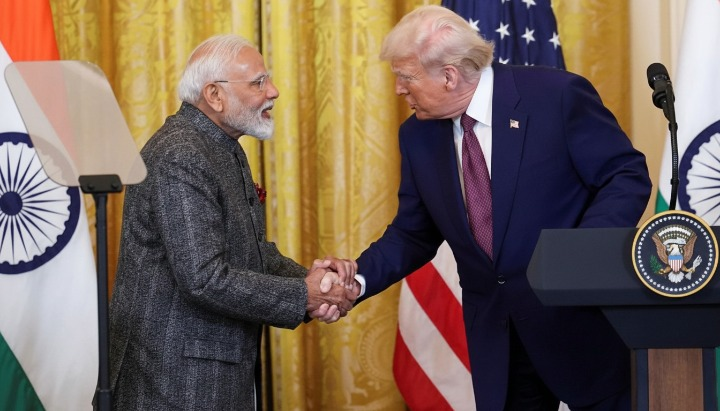
Officials and trade experts say the agreement could reshape bilateral trade relations at a time when global supply chains are under pressure and economic nationalism is rising worldwide. While the deal promises stability in some sectors, it also raises concerns about how Indian exporters and domestic industries may be affected.
What Is the India–US 18% Reciprocal Tariff Deal?
The reciprocal tariff mechanism means that both India and the US agree to impose similar tariff rates on selected goods instead of unilateral or uneven duties. Under the current understanding, the 18% tariff rate would apply to a defined category of products traded between the two countries.
This approach aims to reduce trade friction by creating a predictable tariff structure. Rather than imposing sudden duties, both sides would follow a mutually agreed framework, limiting the scope for surprise policy changes.
Why the Trade Deal Is Being Finalised Now
The timing of the deal is closely linked to evolving global economic conditions. Rising geopolitical tensions, supply chain realignments, and increased protectionist policies have pushed major economies to secure reliable trade partnerships.
For the US, the agreement is part of a broader effort to rebalance trade relationships and address concerns over market access. For India, it represents an opportunity to stabilise exports to one of its largest trading partners while protecting domestic industries through negotiated terms rather than unilateral actions.
Key Sectors Likely to Be Affected
Agriculture and Food Products
Agriculture remains one of the most sensitive areas in India–US trade talks. Reports suggest that discussions include possible tariff adjustments on select agricultural products. While lower tariffs could improve access to US markets for Indian exporters, they also raise concerns about competition for Indian farmers if imports increase.
Industrial Goods and Manufacturing
Manufactured products, including engineering goods and industrial components, are expected to be part of the tariff framework. Indian manufacturers could benefit from clearer trade rules, but higher compliance standards may increase costs.
Pharmaceuticals and Healthcare
India’s pharmaceutical sector, a major exporter to the US, is closely watching the deal. Although tariffs are not the only challenge in this sector, trade clarity could support long-term export planning and regulatory alignment.
Textiles and Apparel
Textiles have traditionally faced tariff-related challenges in the US market. A reciprocal tariff arrangement could improve competitiveness for Indian exporters, provided non-tariff barriers remain manageable.
What Does the Deal Mean for Indian Exports?
The immediate impact of the 18% tariff will vary by sector. Some exporters may benefit from reduced uncertainty and stable access to the US market. Others may face margin pressure if tariff costs cannot be passed on to buyers.
Trade analysts point out that predictability often matters more than tariff levels alone. Clear rules allow businesses to plan investments, adjust supply chains and negotiate contracts with confidence.
Impact on Indian Consumers and Domestic Industry
From a domestic perspective, the deal could influence pricing and competition. If certain US products become more affordable due to tariff adjustments, Indian consumers may benefit from increased choice. However, domestic producers could face added pressure to remain competitive.
The government is expected to use policy tools such as incentives, quality standards and production-linked schemes to protect key industries where necessary.
How the Deal Fits Into India’s Global Trade Strategy
India has been recalibrating its trade approach in recent years. After stepping away from some large multilateral agreements, the focus has shifted to selective bilateral deals that protect national interests while encouraging exports.
The India–US agreement aligns with this strategy by balancing access with safeguards. It also complements India’s efforts to position itself as a reliable alternative in global supply chains, especially for manufacturing and technology-linked sectors.
Concerns and Criticism Around the Agreement
Not everyone views the deal positively. Critics argue that reciprocal tariffs may still disadvantage smaller exporters who lack pricing power. There are also concerns about the long-term impact on domestic industries if competition intensifies without adequate support.
Transparency remains another issue. Industry bodies have urged the government to clearly outline product categories, timelines and compliance requirements to avoid confusion once the deal is implemented.
What Happens Next?
Sources indicate that the agreement could be formally signed in the coming days, following final approvals. Once signed, detailed notifications and implementation guidelines will be released.
Businesses are advised to closely monitor official announcements and consult trade experts to understand how the tariff structure applies to their specific products.
Why This Deal Matters Beyond India and the US
The India–US trade deal is being closely watched by other countries. It reflects a growing trend toward negotiated reciprocity rather than blanket protectionism. If successful, it could influence how future trade agreements are structured in a changing global economy.
For India, the deal is not just about tariffs. It is about positioning itself as a stable, rules-based trading partner at a time when uncertainty dominates global commerce.
Conclusion
The India–US trade deal featuring an 18% reciprocal tariff marks an important moment in bilateral economic relations. While it offers stability and predictability, its real impact will depend on implementation, sector-specific outcomes and continued dialogue between both governments.
As global trade dynamics evolve, the agreement highlights the importance of balanced negotiation over unilateral action. For India, the challenge now lies in ensuring that the benefits of the deal outweigh the risks for exporters, industries and consumers alike.
About the Author