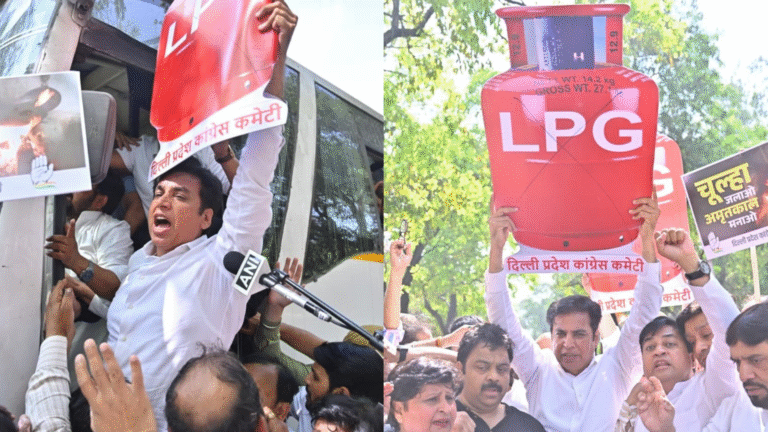
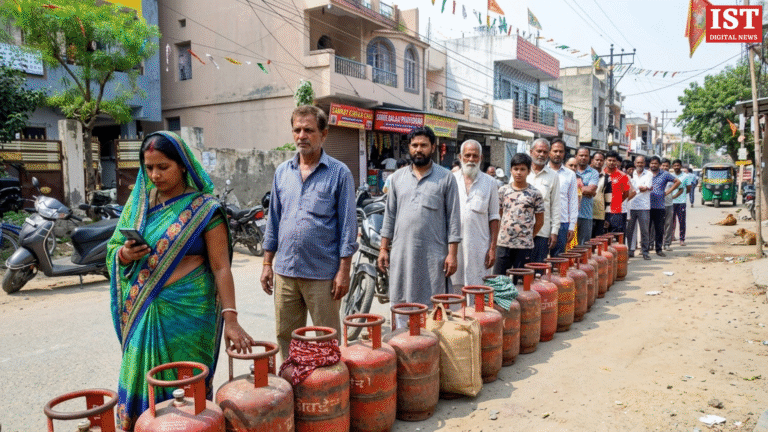
However, while cooking gas supply has faced pressure in certain regions, petrol and diesel continue to remain widely available across the country. Fuel stations are operating normally, and there have been no large-scale disruptions in transport fuel supply.
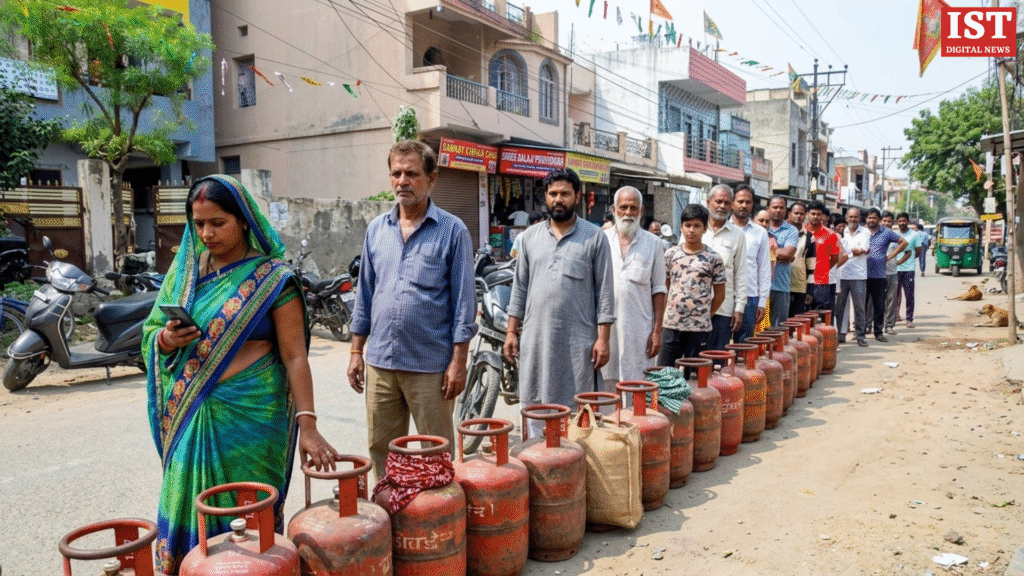
This difference has raised an important question: why is there an LPG shortage in India while petrol and diesel supply remains stable? The answer lies in the structure of India’s energy supply chain and the way different fuels are produced, imported, and distributed.
Growing Demand Behind the LPG Shortage in India
One of the key factors behind the LPG shortage in India is the rapid increase in demand for cooking gas. Over the past decade, millions of households have shifted from traditional fuels such as firewood and coal to LPG.
Government initiatives promoting cleaner cooking fuel have played a major role in expanding LPG access across rural and urban areas. While this transition has improved health and environmental conditions, it has also significantly increased the demand for LPG cylinders. When demand grows quickly, even small disruptions in supply or distribution can create temporary pressure on the system.
How LPG Supply Works in India
The supply chain for LPG is more complex than many consumers realize. LPG used in households comes from two primary sources: domestic production and imports from international markets.
After the gas is produced or imported, it is transported to storage terminals and bottling plants. At these facilities, LPG is filled into cylinders that are later distributed to local dealers and delivered to households.
Because the process involves multiple stages, including bottling, transportation, and last-mile delivery, delays can occur if any part of the chain slows down.
Transport availability, cylinder shortages, or regional demand spikes can all affect delivery timelines. This is one of the main reasons the LPG shortage in India sometimes appears more visible to consumers.
Dependence on LPG Imports
Another important factor contributing to the LPG shortage in India is the country’s dependence on imported cooking gas. A significant portion of LPG used by households is sourced from global markets.
If global supply chains face disruptions or shipping schedules change, imports may arrive later than expected. Such delays can temporarily affect domestic distribution until new shipments reach storage terminals.International energy prices and logistics conditions can also influence how quickly supplies reach the country.
Why Petrol and Diesel Supply Remains Stable
Despite the LPG shortage in India, petrol and diesel supply has remained largely unaffected. The reason lies in the strong refining capacity and fuel distribution infrastructure within the country.
India has one of the largest oil refining industries in the world. Crude oil imported from various countries is processed at domestic refineries to produce petrol, diesel, and other petroleum products.
Because these fuels are refined domestically, oil companies can manage supply more efficiently. Another advantage is infrastructure. Petrol and diesel are transported through pipelines, rail tankers, and road tankers to large fuel depots. From there, they are distributed to thousands of fuel stations across the country. Retail fuel stations also maintain buffer stock, which helps ensure that supply continues even if there are temporary disruptions in delivery schedules.
Role of Oil Marketing Companies
Major oil marketing companies manage LPG distribution across India through an extensive network of bottling plants and distributors. These companies constantly monitor supply levels and demand patterns across different regions. If certain areas experience shortages, supplies can be redirected from nearby storage depots. Additional imports or increased production may also be arranged to stabilize supply. Such adjustments usually help reduce the impact of localized shortages and restore normal delivery schedules within a short period.
Impact on Consumers
For consumers, the LPG shortage in India is most noticeable through longer waiting times for cylinder refills. In some areas, households may experience delays in booking or receiving new cylinders.
However, these delays are typically temporary and often limited to specific regions rather than the entire country. Petrol and diesel consumers generally do not experience similar problems because the fuel distribution network is designed to handle large volumes with greater flexibility.
Future Outlook for LPG Supply
India’s demand for LPG is expected to continue growing as more households adopt clean cooking fuel. To meet this demand, investments are being made in expanding storage capacity, improving bottling infrastructure, and strengthening transport networks.
These improvements aim to reduce supply bottlenecks and make the distribution system more resilient. While the LPG shortage in India can occasionally occur due to logistics challenges or global market factors, experts believe that continued investment in infrastructure and supply management will help maintain stable availability in the long term.
As the country’s energy system evolves, ensuring reliable access to cooking gas will remain an important priority for policymakers and the energy sector.
About the Author