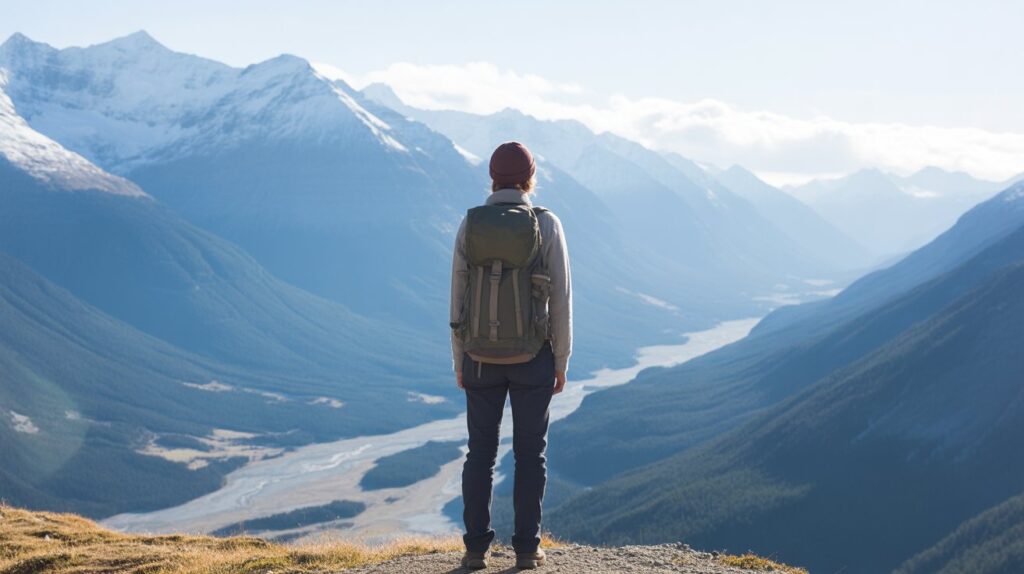
Travel patterns in India are witnessing a noticeable shift in 2026. Instead of traditional family vacations or group tours, a growing number of young Indians are choosing to travel alone. Solo Travelling in India 2026 is no longer seen as an unusual choice but as a reflection of changing priorities, lifestyle preferences, and personal values among Millennials and Gen Z.
Industry observations and booking trends indicate a consistent increase in searches and reservations for solo trips. Travel companies report higher engagement from young professionals and students looking for flexible, short, and experience-driven journeys.
What Is Driving the Rise of Solo Travelling?
Freedom and Personal Choice
Today’s youth value independence more than ever. Solo travel allows individuals to decide their itinerary, pace, and budget without compromise. Whether it is exploring offbeat destinations, working remotely from scenic locations, or simply spending quiet time alone, solo trips provide complete control over the experience.
Focus on Mental Well-Being
Mental health awareness has significantly improved in recent years. Many young people consider travel a form of emotional reset. Solo Travelling in India 2026 is increasingly associated with self-reflection, stress relief, and personal clarity. Spending time in nature or exploring new cultures often helps individuals disconnect from routine pressures.
Growth of Remote Work Culture
The expansion of hybrid and remote work models has reshaped travel behavior. With the flexibility to work from different locations, many professionals are combining work and travel. Hill stations, coastal towns, and heritage cities are emerging as popular choices for extended solo stays. This “work from anywhere” culture is a key contributor to the solo travel surge.
Social Media Influence
Digital platforms have played a strong role in shaping travel aspirations. Solo travel stories, reels, and vlogs have made independent travel more visible and aspirational. While social media inspires exploration, experts emphasize that planning, safety awareness, and realistic budgeting remain essential.
Increasing Participation of Women Travellers
Another significant development in Solo Travelling in India 2026 is the growing participation of women. Improved accommodation options, women-friendly hostels, verified homestays, and stronger digital navigation tools have increased confidence. Many young women now see solo travel as a step toward empowerment and self-reliance.
Impact on the Tourism Industry
The rise in solo travel is influencing how the tourism sector operates. Hotels and hostels are offering single-occupancy packages and social community spaces designed for independent travellers. Adventure operators are launching curated experiences specifically for solo participants.
Offbeat destinations are also gaining attention. Instead of overcrowded tourist hotspots, young travellers are exploring smaller towns and less-commercialized locations. This shift is creating economic opportunities for local communities and small-scale tourism businesses.
Challenges and Safety Considerations
Despite its benefits, solo travel comes with certain risks. Safety planning, local awareness, and financial management are crucial aspects. Experts recommend researching destinations thoroughly, sharing travel plans with trusted contacts, and maintaining emergency preparedness.
Responsible travel behavior is equally important to ensure personal safety and respect for local cultures.
What Does This Trend Mean?
Solo Travelling in India 2026 reflects a deeper social transformation. Young Indians are prioritizing experiences over possessions. They are investing in self-growth, exploration, and flexibility rather than traditional vacation patterns. This trend indicates greater confidence, adaptability, and openness among the younger generation.
Broader Social and Economic Impact
The increasing demand for solo trips is encouraging innovation in travel services. From digital booking platforms to curated travel communities, the ecosystem is evolving to meet new expectations. At the same time, smaller destinations are benefiting from diversified tourism flows.
In the long term, this shift may redefine how travel is perceived in India, not just as leisure, but as a tool for learning, reflection, and personal development.
Impact
Solo Travelling in India 2026 is gaining strong momentum among Millennials and Gen Z. Driven by independence, mental well-being awareness, and flexible work culture, the trend is reshaping tourism patterns across the country. As more young Indians embrace independent journeys, the travel industry and social mindset are likely to continue evolving in response to this growing movement.
About the Author