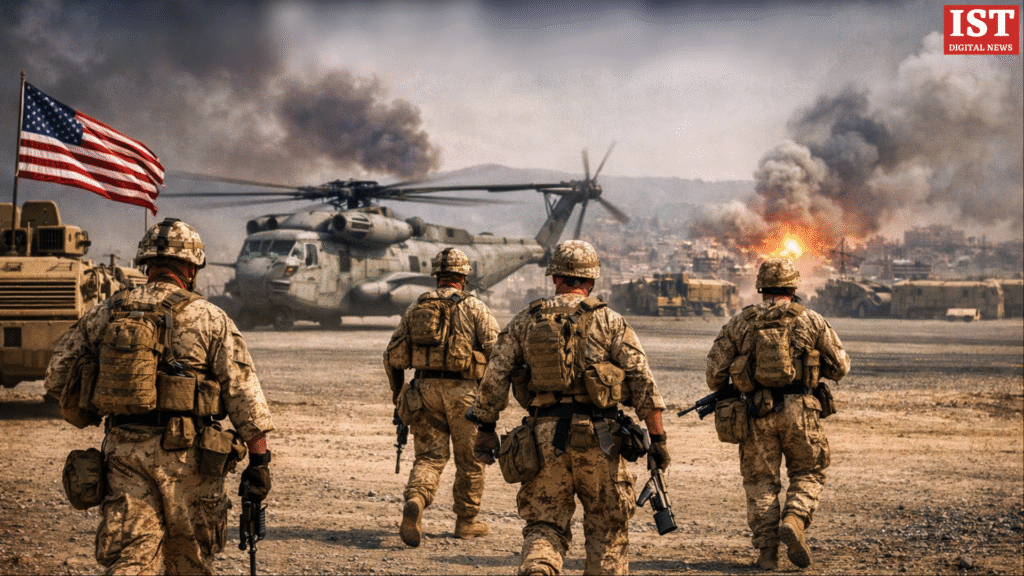
The United States has sent around 2,500 Marines to the Middle East at a time when tensions between Iran and Israel are clearly heating up. The move hasn’t come with dramatic announcements, but the timing says enough things on the ground are getting serious.
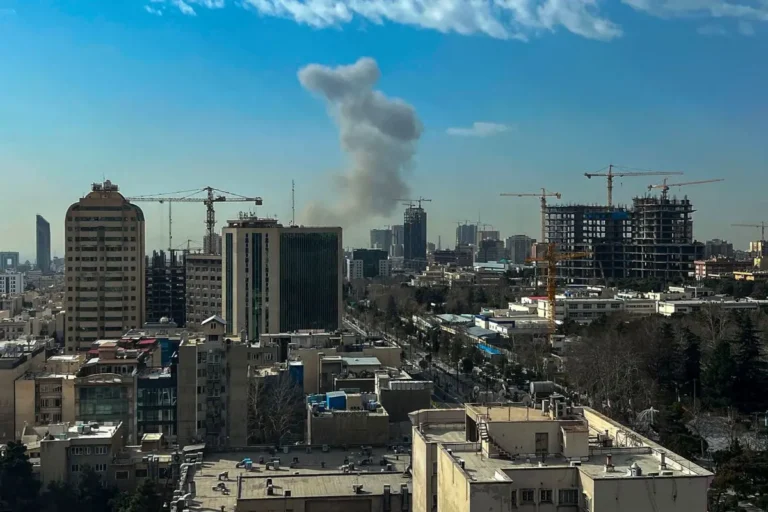
Over the past few days, activity in the region has picked up. There have been reports of strikes, counter-moves, and increased alert levels across different areas. It’s not one isolated flashpoint anymore; it’s starting to feel more spread out and unpredictable.
Not Just a Routine Deployment
Military deployments happen all the time, but this one feels different. When troops are moved in these numbers, it usually means planners are preparing for situations that could turn quickly.
The Marines are expected to support existing US positions, keep key locations secure, and stay ready if things escalate further. There’s no official language suggesting direct involvement, but it’s clearly about being prepared rather than reactive.
Tension That’s Building, Not Peaking
What stands out right now is that the situation doesn’t look like it has peaked. If anything, it feels like it’s still building. Israel has been stepping up its operations, while Iran’s responses some direct, some through its regional connections are keeping the pressure on. It’s a cycle that hasn’t slowed down yet, and that’s what’s making analysts uneasy.
Why the Region Matters So Much
The Middle East isn’t just another conflict zone. A lot of the world’s energy supply routes pass through this region. Even small disruptions here tend to ripple outwards.
That’s one reason why global markets react quickly to any sign of trouble. Oil prices don’t wait for confirmation they move on uncertainty itself.
Impact Beyond the Battlefield
Even before any major disruption, the effects start showing elsewhere. Fuel prices, shipping costs, and overall market sentiment begin to shift. For countries like India, this isn’t distant news. Higher oil prices can directly affect daily expenses, transport, and inflation. It’s a chain reaction that starts far away but lands at home pretty fast.
Quiet Concern, Not Panic
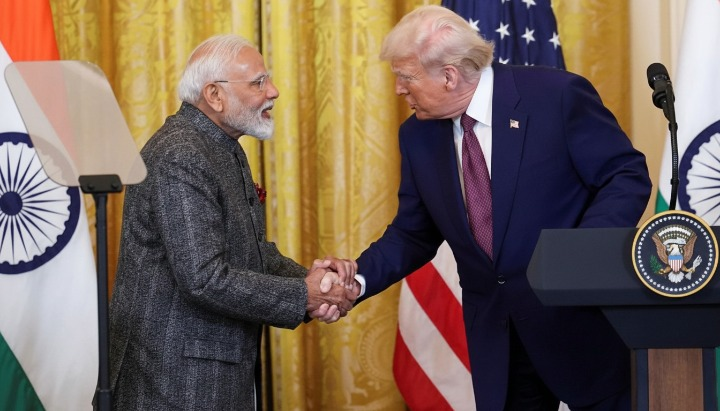
There’s no open panic yet, but there is quiet concern. Governments are watching closely, and responses so far have been measured. The US move, in that sense, is less about immediate action and more about positioning. It’s about being ready without saying too much out loud.
All Eyes on the Region
Right now, the focus is simply on how things unfold. Each new development is being tracked, and even small changes are getting attention. There’s a sense that things could either settle down gradually or shift suddenly. And that uncertainty is what’s keeping the region, and much of the world, on edge.
About the Author